Kitchen compliance built around Toronto's own by-law.
Toronto Municipal Code Chapter 681 sets real fine exposure for grease-trap non-compliance, on top of NFPA 96's hood-cleaning requirements. Northfire covers both under one schedule and one documented binder.
The direct answer for Toronto kitchens.
Toronto commercial kitchens need NFPA 96 hood cleaning on a schedule set by cooking volume — quarterly for 24-hour high-heat lines, semi-annual for most restaurants — and grease-trap pumping under Chapter 681's 25% rule, with logs kept two years. Northfire delivers both in one visit cycle, from downtown food courts to Etobicoke strip malls, starting at $325 per visit.
Two obligations, one Toronto address.
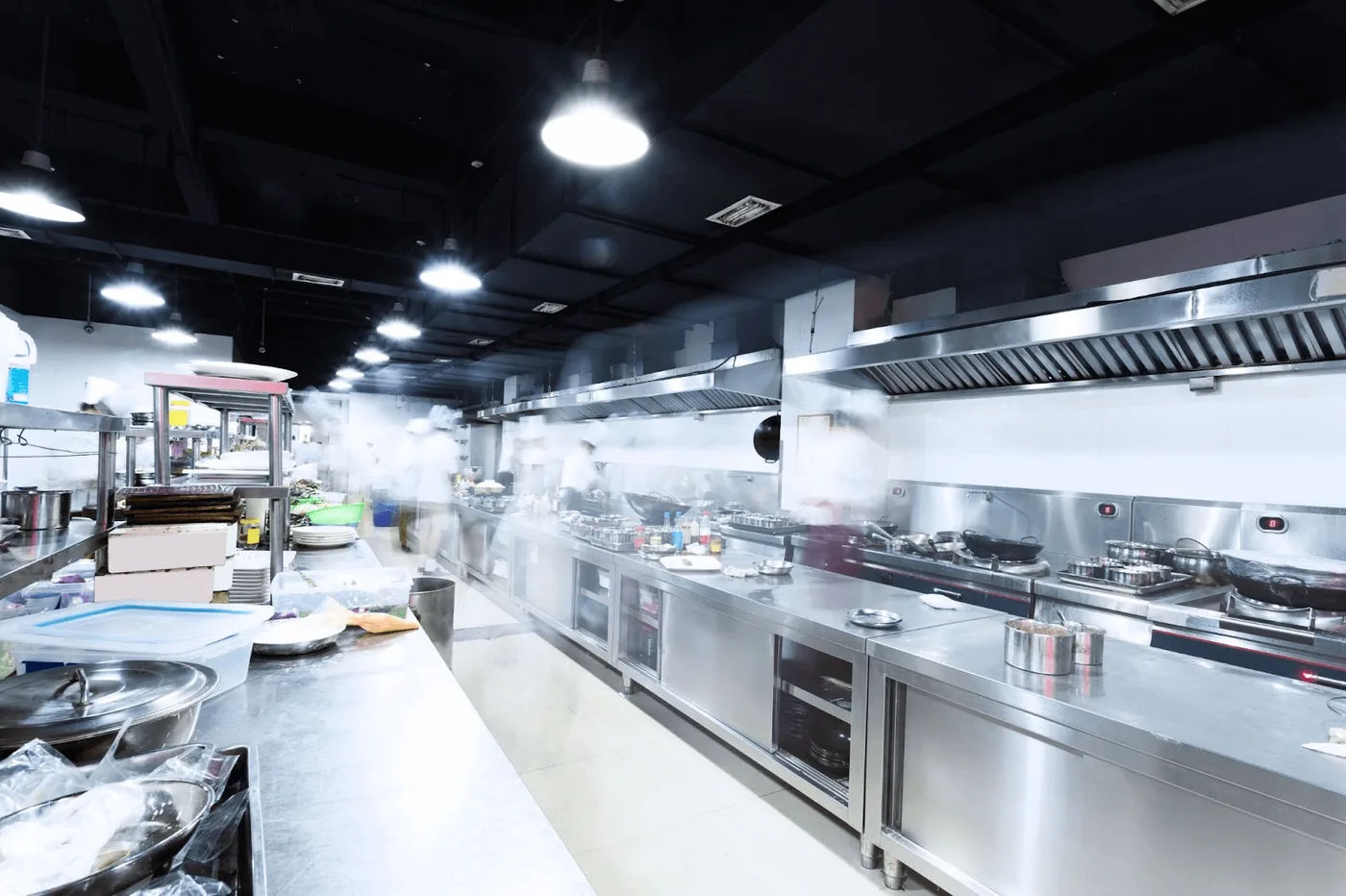
Every commercial kitchen operating in Toronto answers to two separate rules: NFPA 96 for hood and exhaust cleaning, and the city's own sewer by-law for grease-trap maintenance. Most kitchens track one of the two through a vendor and handle the other informally, if at all. Northfire covers both, sized to your kitchen's actual volume, with a compliance binder that stays current between inspections.
Why now. The two rules Toronto enforces.
NFPA 96
Adopted into the Ontario Fire Code in 2025, NFPA 96 governs cleaning of your hood, canopy, ducts, and rooftop fan. Toronto's fire inspectors enforce it the same way inspectors do province-wide: required frequency runs monthly for 24-hour, high-heat kitchens down to annually for low-volume, seasonal ones.
Chapter 681
Toronto Municipal Code Chapter 681, the Sewers By-law, requires grease interceptors to be pumped before the grease-and-solids layer exceeds 25% of liquid volume, with a compliance log kept on site for at least two years.
Where we work in Toronto.
Downtown core and central Toronto
High-density kitchen rows along King West, the Entertainment District, and Queen West mean tight service windows and shared loading docks. We schedule around your rush — early mornings, late nights, or between lunch and dinner — and handle rooftop-fan access in buildings where the mechanicals are shared.
West end, east end, and North York
From Parkdale and Roncesvalles independents to Leslieville patios, Scarborough plaza food stalls, and North York's Korean BBQ strip along Yonge Street, we cover the whole city — one vendor whether you run a single location or several across postal codes.
Toronto compliance questions, answered.
How often do Toronto kitchens need NFPA 96 hood cleaning?
Frequency follows cooking volume, not the calendar. NFPA 96, adopted into the Ontario Fire Code in 2025, requires quarterly cleaning for 24-hour high-heat kitchens such as Korean BBQ and wok lines, semi-annual for most standard restaurants, and annual for low-volume or seasonal operations. Northfire sizes your schedule to your actual kitchen volume and documents every cleaning in a compliance binder you keep on site.
What happens if my Toronto restaurant fails a grease-trap inspection?
Toronto enforces Chapter 681, the Sewers By-law: your interceptor must be pumped before grease and solids reach 25% of liquid volume, with logs kept on site for two years. Fine exposure runs $50,000 for a first offence and up to $100,000 for repeat offences. A documented pumping schedule from a licensed hauler is how kitchens stay ahead of it.
Do you service downtown Toronto kitchens and food courts?
Yes. Northfire covers downtown-core kitchens, Entertainment District patios, Kensington Market independents, and food-court tenant stalls across the city, along with multi-tenant buildings where one property manager coordinates compliance for every commercial kitchen under one roof.
Find your Toronto compliance path.
High-heat kitchens
Korean BBQ, wok, Indian, wings: NFPA 96 puts you on a quarterly cleaning requirement.
Book Your Compliance WalkthroughStandard restaurants
Casual dining and cafes fall under NFPA 96's semi-annual requirement.
Get a QuoteProperty managers
Building-wide compliance across every commercial tenant kitchen.
Request a Building Compliance Review